VATA
Dosha VATA
Light, cold and dry nature. Needs warmth, hydration and routine. Sweet, salty and sour flavours to balance. Eat at regular times, avoid excess raw foods.
Recommended foods
Warm brothsCooked oatsGheePumpkinCinnamonGinger
Food and wellbeing
Food is not fuel. It is medicine, it is memory, it is the first act of care you give yourself each day. María Gemma shares here her philosophy of conscious eating, nourished by years of travel, study and practice.
"Food is the first language we learn. The way you eat says more about you than any word. I learned to listen to that language in the markets of Marrakech, in the kitchens of India and at the tables of my home."
María Gemma Tarodo · Founder of Alma Nómada Trips
Ayurvedic principles
Ayurveda understands that each person is unique. There is no universal diet: there is a diet for your constitution, your moment and your environment. Knowing your dosha is the first step to stop fighting yourself at the table.
VATA
Light, cold and dry nature. Needs warmth, hydration and routine. Sweet, salty and sour flavours to balance. Eat at regular times, avoid excess raw foods.
Recommended foods
PITTA
Intense, hot and sharp nature. Needs coolness, hydration and moderation. Sweet, bitter and astringent flavours to calm. Avoid spicy, acidic and excess salt.
Recommended foods
KAPHA
Heavy, cold and stable nature. Needs lightness, variety and movement. Spicy, bitter and astringent flavours to stimulate. Avoid excess sweet, salty and fatty.
Recommended foods
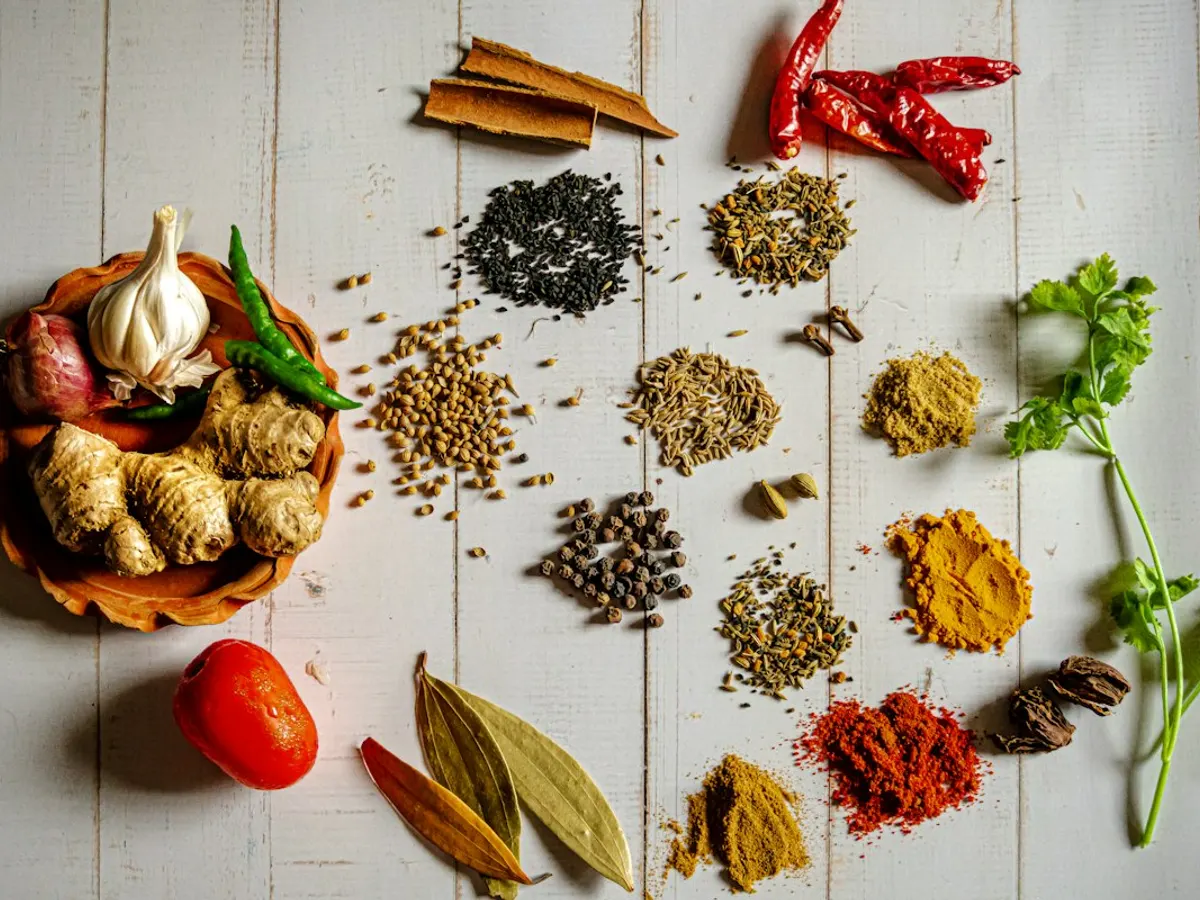
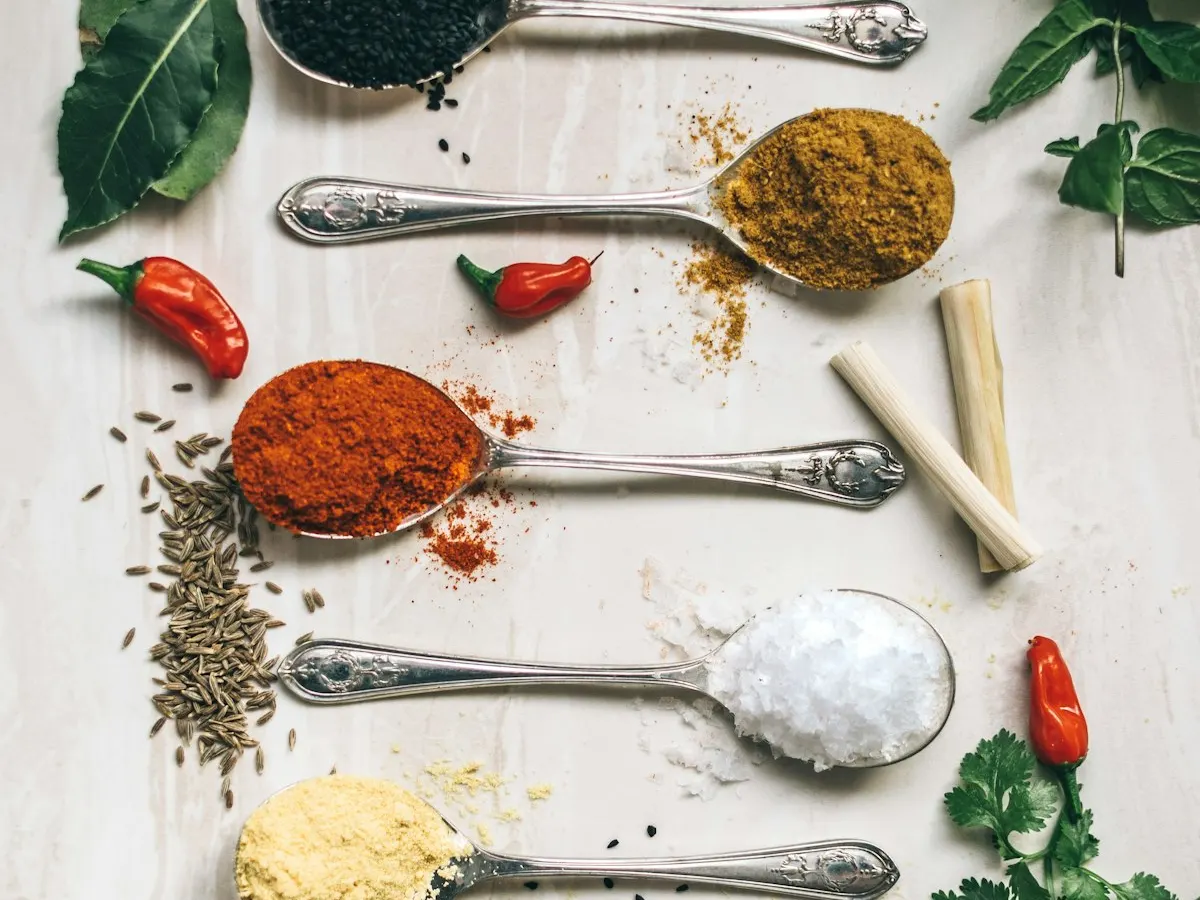
Spices and herbs spread on the table: the pantry as apothecary.
Photo: Unsplash · Unsplash License
Most people have a combination of two doshas. The best way to know your constitution is with an in-person Ayurvedic test or with the guidance of a trained person. On the retreats we include a dosha identification session with personalised recommendations for each woman.
Not all food combinations facilitate digestion. Ayurveda recommends not mixing fruits with cereals, nor dairy with acidic fruits, nor proteins with starches in the same meal. The golden rule: eat foods separately if you have heavy digestions.
Travel recipes
These recipes do not come from books: they come from the kitchens María Gemma inhabited on her travels. Morocco, India and Spain. Each one with its ingredients, its steps and María Gemma\'s personal note on what that food taught her.
16:9clue · CC BY
Ingredients
Method
María Gemma\'s note
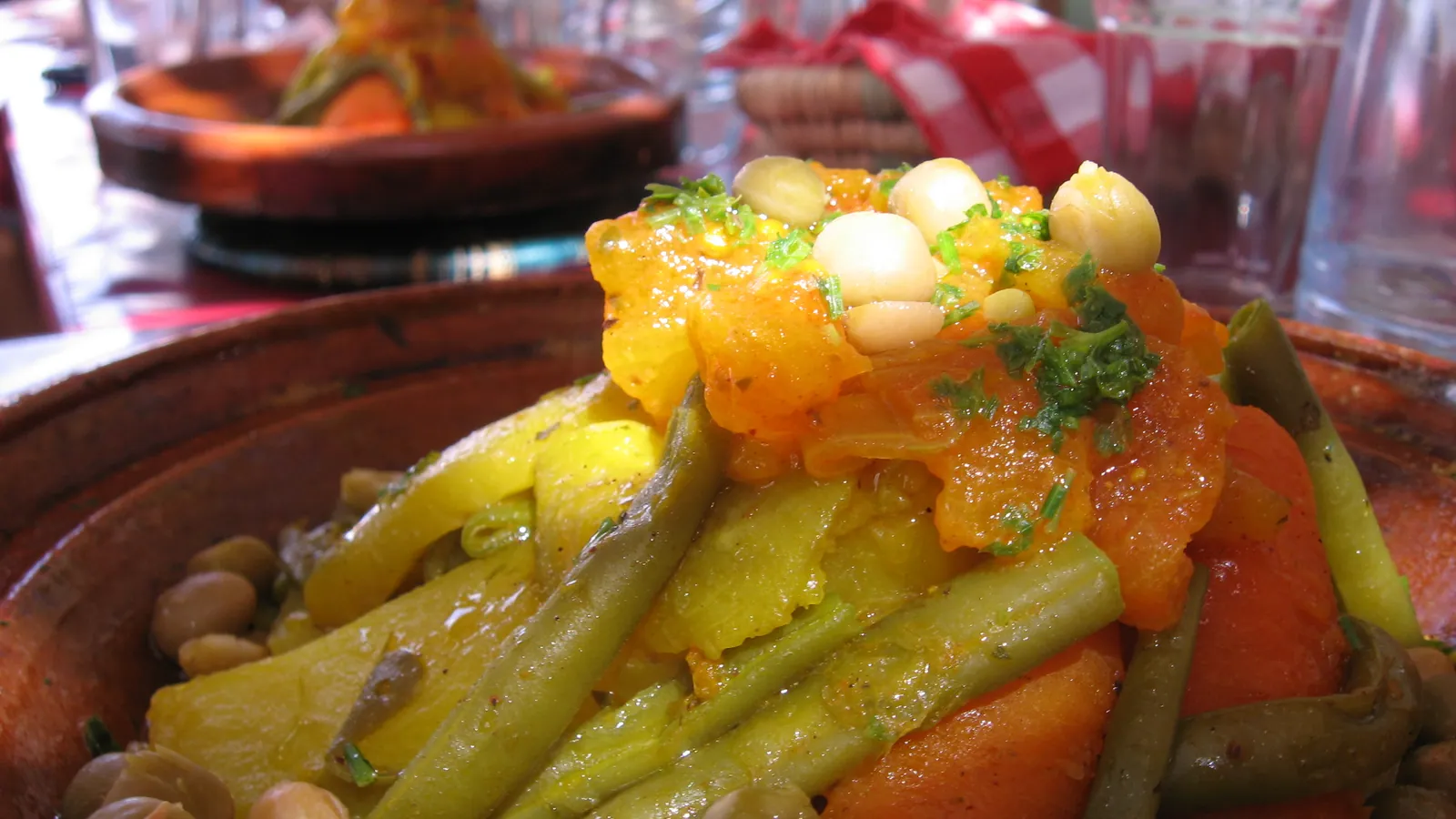
"In Marrakech I learned that a tagine is not a recipe: it is a conversation between fire and patience. Do not rush. The vegetables open when you open."
spurekar · CC BY
Ingredients
Method
María Gemma\'s note
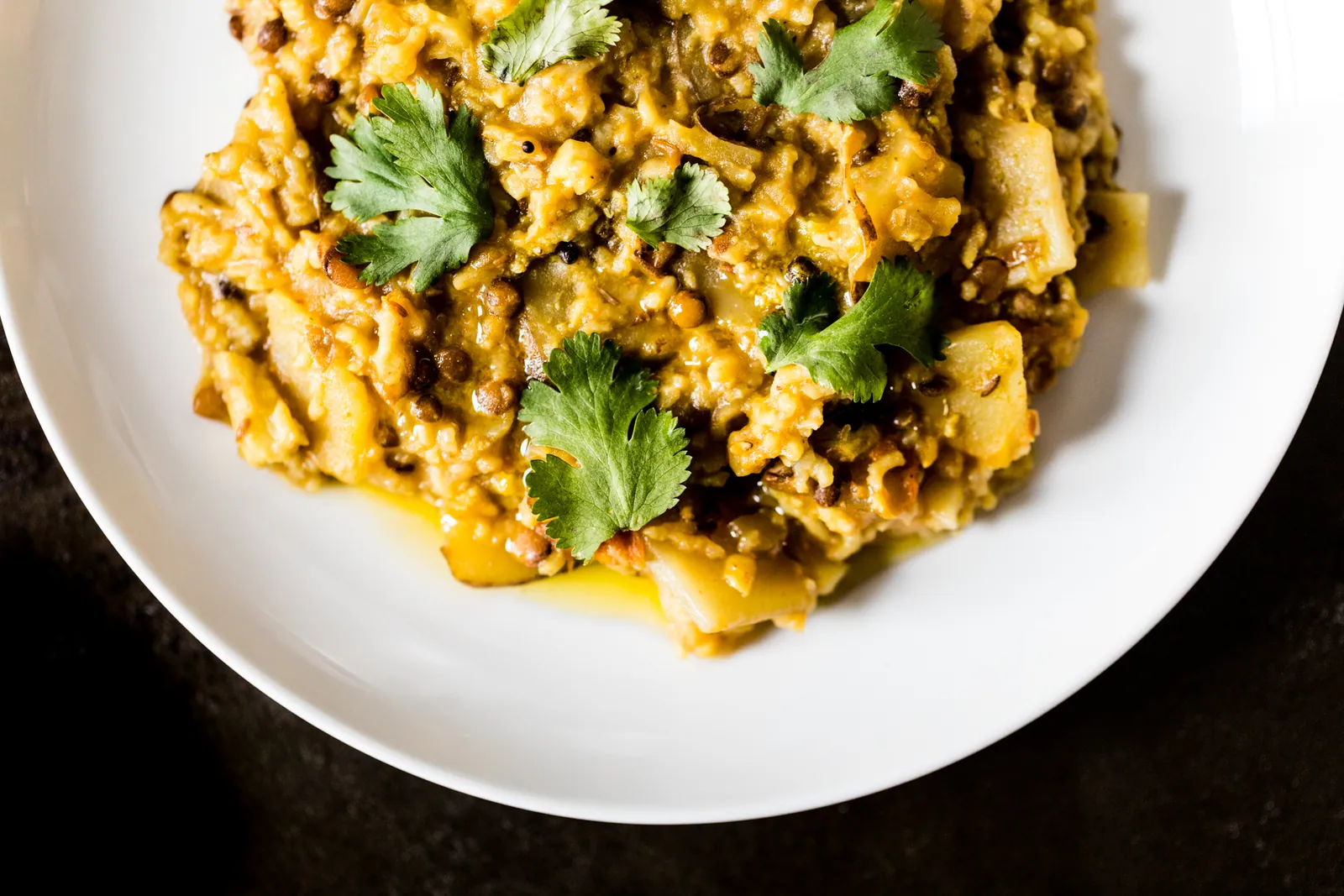
"Kichari is the most restorative dish I know. On the India retreats I ate it every day and my digestion was grateful. It is simple, profound and needs nothing more to be complete."
Ingredients
Method
María Gemma\'s note
"In Sierra de Gredos, in autumn, pumpkin is a gift from the earth. Every time I make this cream I remember the simplicity of things well done: an ingredient, patience and respect."
TechnoKittyCat · CC BY
Ingredients
Method
María Gemma\'s note
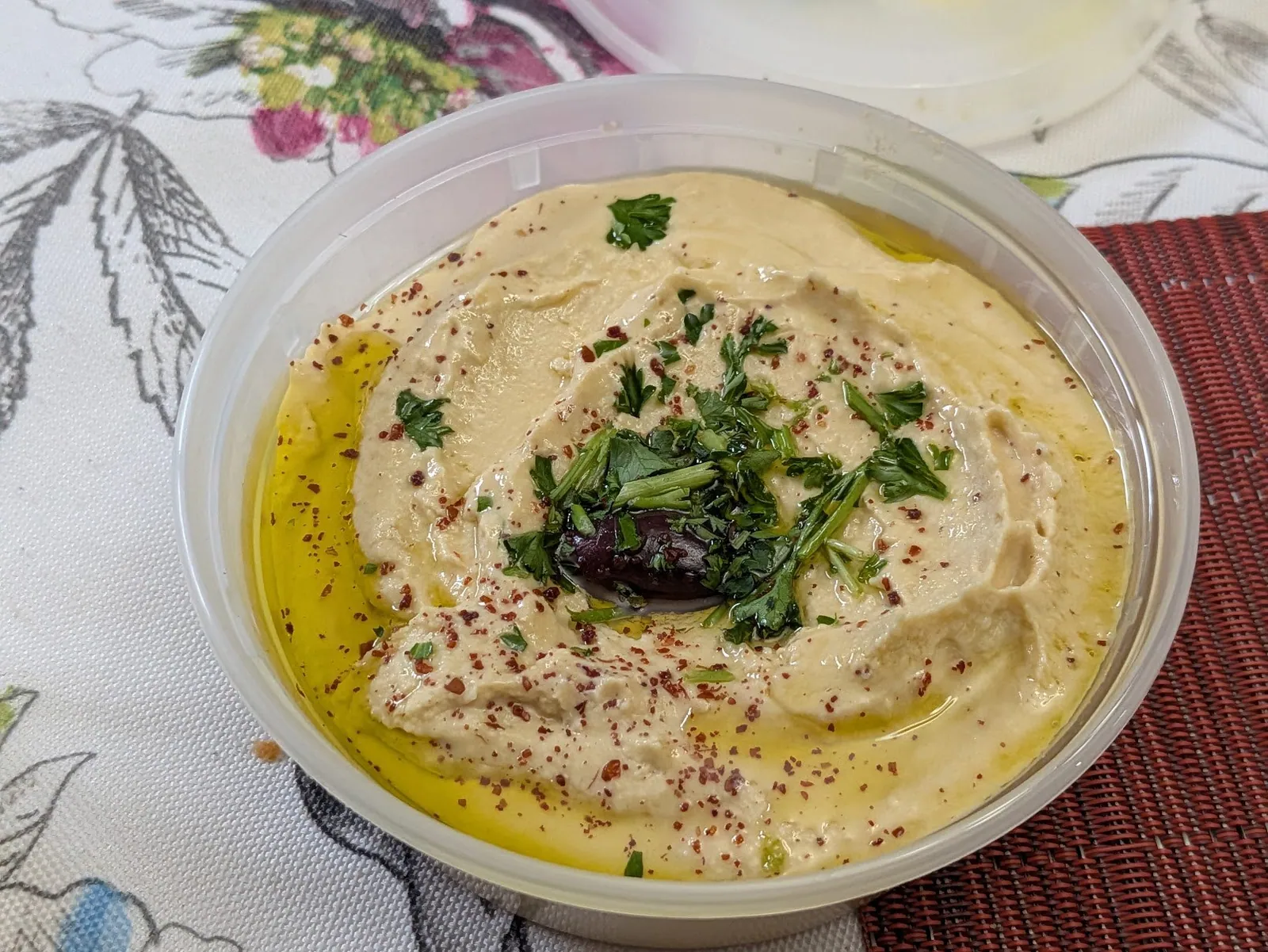
"In the souk of Marrakech, the women who prepare hummus do it without measurements. With their hands. With memory. It took me years to understand that the recipe is not a list: it is trust."
P1898 · CC BY
Ingredients
Method
María Gemma\'s note
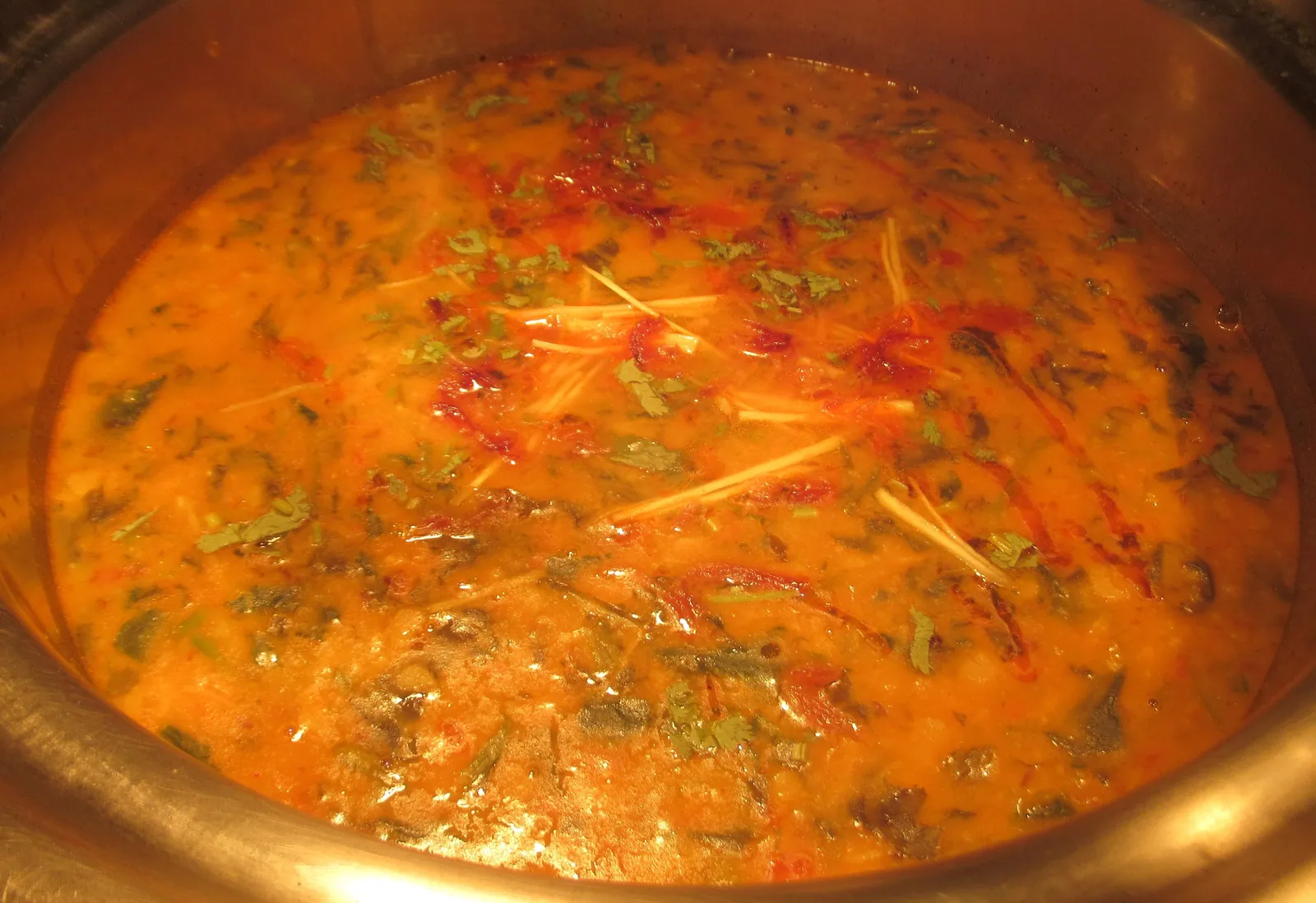
"Dal is the dish that accompanied me on every trip to India. Simple, humble and deeply restorative. Every spoonful is a reminder that the essential needs no adornments."
Andy Li · CC0
Ingredients
Method
María Gemma\'s note
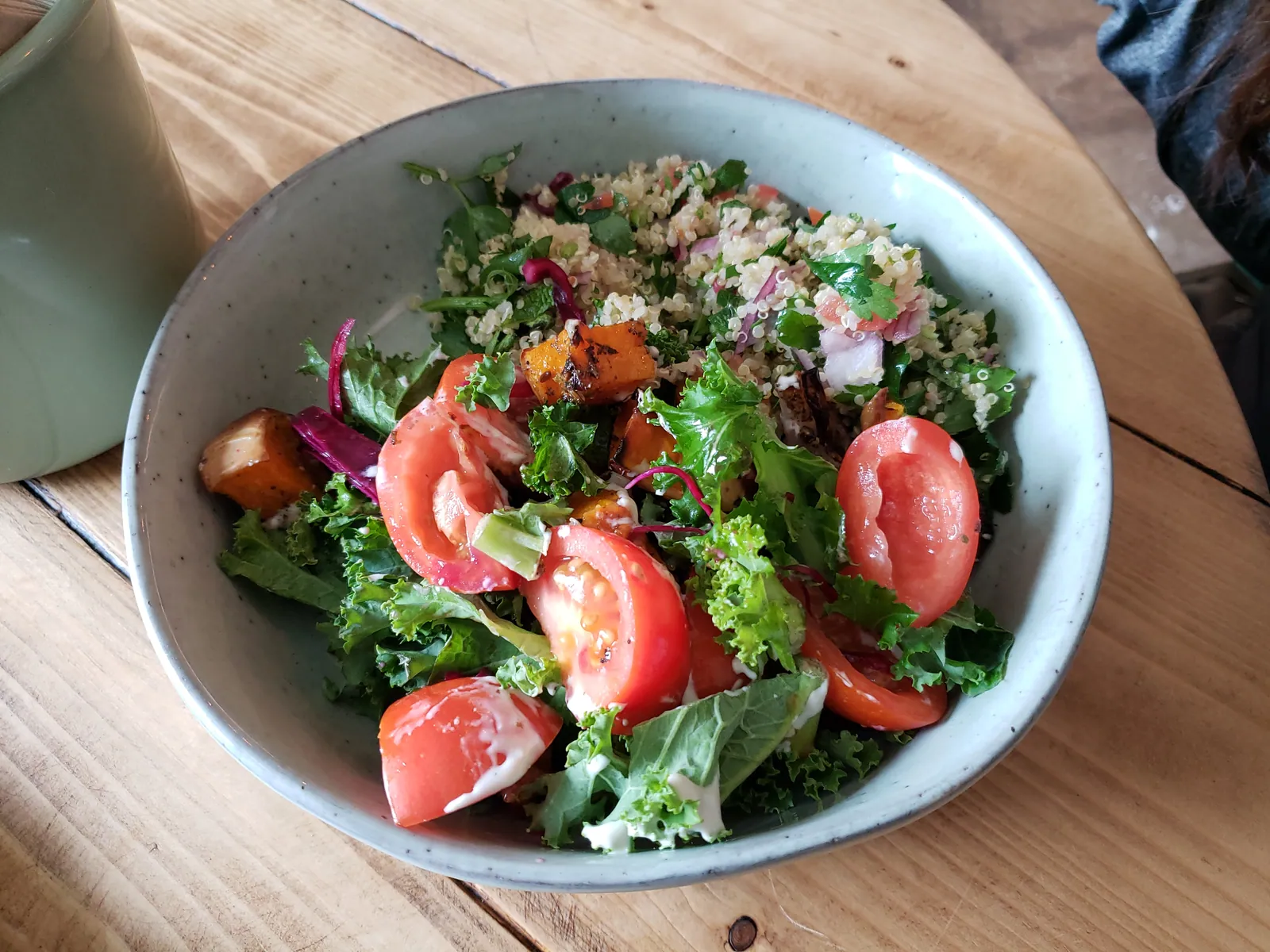
"In the gardens of Murcia, my grandmother taught me that a salad is not a recipe: it is an act of trust in what the season gives you. Pomegranate in autumn is a gift: do not force it."
Mindful eating
Eating is not only nourishing the body: it is an act of awareness. Each bite is an opportunity to return to the present, to listen to what the body asks for and to give thanks for what the earth gives.
Before eating, take three conscious breaths. The first to let go of what you bring from the day. The second to feel real hunger, not anxiety. The third to give thanks. Food tastes better when the body is present, not when the mind is in the previous meeting.
Every meal should last at least 20 minutes. Not a rule: an invitation. Chew each bite between 20 and 30 times. Put down the cutlery between bites. Look at the people in front of you, not the screen. The time you take to eat determines what your body can extract from that food.
Before starting to eat, name three things you are grateful for in relation to that food: the earth that produced it, the hands that prepared it, the opportunity to nourish yourself. Gratitude changes the chemistry of digestion: what you give thanks for, is better assimilated.
The body takes 20 minutes to send the satiety signal to the brain. If you eat in 10 minutes, you are already full before you know it. Learn to stop when you are satisfied, not when you are full. Emotional hunger is not calmed with food: it is calmed with presence.
"The next time you eat, do not get distracted. Look at the plate. Breathe. Give thanks. You will see that food tastes different when you are present."
María Gemma Tarodo
Seasonal calendar
Eating with the rhythm of nature, and not against it.
Photo: Unsplash · Unsplash License
Nature does nothing out of season. Your body should not either. Each season brings its foods, its flavours and its needs. Learn to listen to them.
March - May
Spring is the moment to let go of what accumulated in winter. Nature awakens and so does your body. Less quantity, more quality. Prioritise fresh, light and high-chlorophyll foods. It is the ideal time for a small fruit or green juice fast.
Seasonal foods
Recommended practices
June - August
Summer is external fire. Your body needs hydration, coolness and foods that do not generate internal heat. Avoid spicy, excess salt and heavy meals during the central hours of the day. Prioritise fruits with high water content and meals in the shade, with calm.
Seasonal foods
Recommended practices
September - November
Autumn is the moment to return home. Nature withdraws and your body asks for warmth, warmth and warmth. Slow stews, casseroles, restorative broths. Prioritise foods with texture and deep flavour. It is the moment to recover the sleep routine and care for the intestinal flora.
Seasonal foods
Recommended practices
December - February
Winter is the moment to store and nourish. Nature sleeps and your body also needs more. Prioritise warm meals, restorative broths and nutrient-dense foods. Use warming spices: ginger, cinnamon, turmeric. It is the moment to rest early and not force the body.
Seasonal foods
Recommended practices
Nutrition for women
The woman\'s body is not linear: it is cyclical. Each phase of the menstrual cycle has specific nutritional needs. Learning to nourish each phase is learning to inhabit yourself with more awareness.
During menstruation, the body asks for iron, magnesium and warmth. Avoid extreme cold, excess coffee and processed foods. Prioritise warm broths, green leafy vegetables, red fruits and dark chocolate (70% or more). Plant-based iron is better absorbed with vitamin C: combine lentils with pepper.
After menstruation, the body has more energy and needs nutrients to build. It is the ideal moment for fresh, fermented and high-protein foods. Prioritise green leafy vegetables, fresh fruit, small oily fish and flax seeds. Avoid excess sugar that generates spikes and drops.
During ovulation, the body is at its highest point of energy. Take advantage for exercise, new projects and lighter meals. Prioritise zinc-rich foods (pumpkin seeds, chickpeas) and vitamin B (whole grains, eggs). Stay hydrated: the body loses more fluid in this phase.
During the luteal phase, the body needs more magnesium, vitamin B6 and calcium. It is common to crave sweets: treat yourself, but choose dark chocolate, nuts or ripe fruit. Avoid excess salt which generates bloating. Prioritise pumpkin, banana, avocado and cocoa. It is the moment of greater emotional sensitivity: nourish your nervous system.
During menopause, the body needs more calcium, magnesium and phytoestrogens. Prioritise fermented soy foods (tempeh, miso), flax seeds, sesame and green leafy vegetables. Fermented soy is more digestible and has higher phytoestrogen bioavailability. Avoid excess coffee, alcohol and refined sugar, which worsen hot flashes.
After childbirth, the body needs iron, high-quality protein, omega-3 and easy-to-digest foods. Bone broths, restorative soups and zinc-rich foods are essential. It is not a time for restrictive diets: it is a time to nourish with patience. On the postpartum retreats we include specific menus adapted to this stage.
Retreat menus
Every meal on an Alma Nómada retreat is designed to nourish the body, calm the mind and open the soul. No two meals are alike: they adapt to the destination, the group and the moment of the journey.
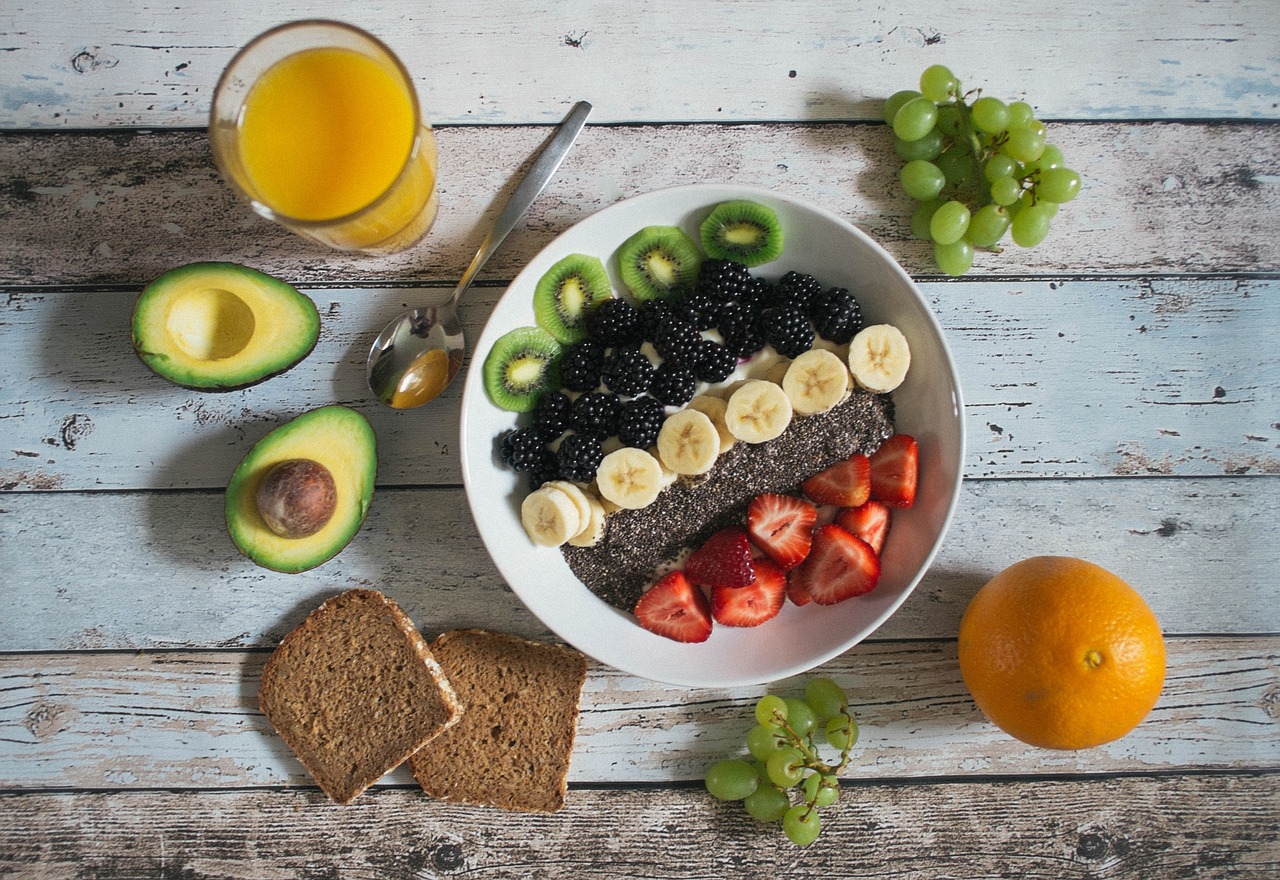
Cooked oats with cinnamon, ginger and heather honey. Seasonal fresh fruit. Hibiscus infusion or green tea. Sourdough bread with avocado. No rush: breakfast is a ceremony, not a race.
Highlight
Artisan sourdough bread
Quinoa salad with roasted vegetables, pomegranate and mint. Or miso soup with seaweed and tofu. Or lentil dal with basmati rice. The main course always includes vegetable protein, wholegrain cereals and seasonal vegetables.
Highlight
Vegetable protein + cereal + vegetable
Fresh fruit, toasted nuts, herbal infusion or coconut water. Not a time to snack: it is a moment of pause. We sit, we breathe, we share. The snack is part of the practice, not a break from the practice.
Highlight
Fruit + nuts + infusion
Vegetable cream, small oily fish or legume stew. Dessert of fresh fruit or compote without added sugar. Dinner is light so as not to interfere with nighttime rest. We end with a chamomile or mint infusion.
Highlight
Light dinner for restorative rest
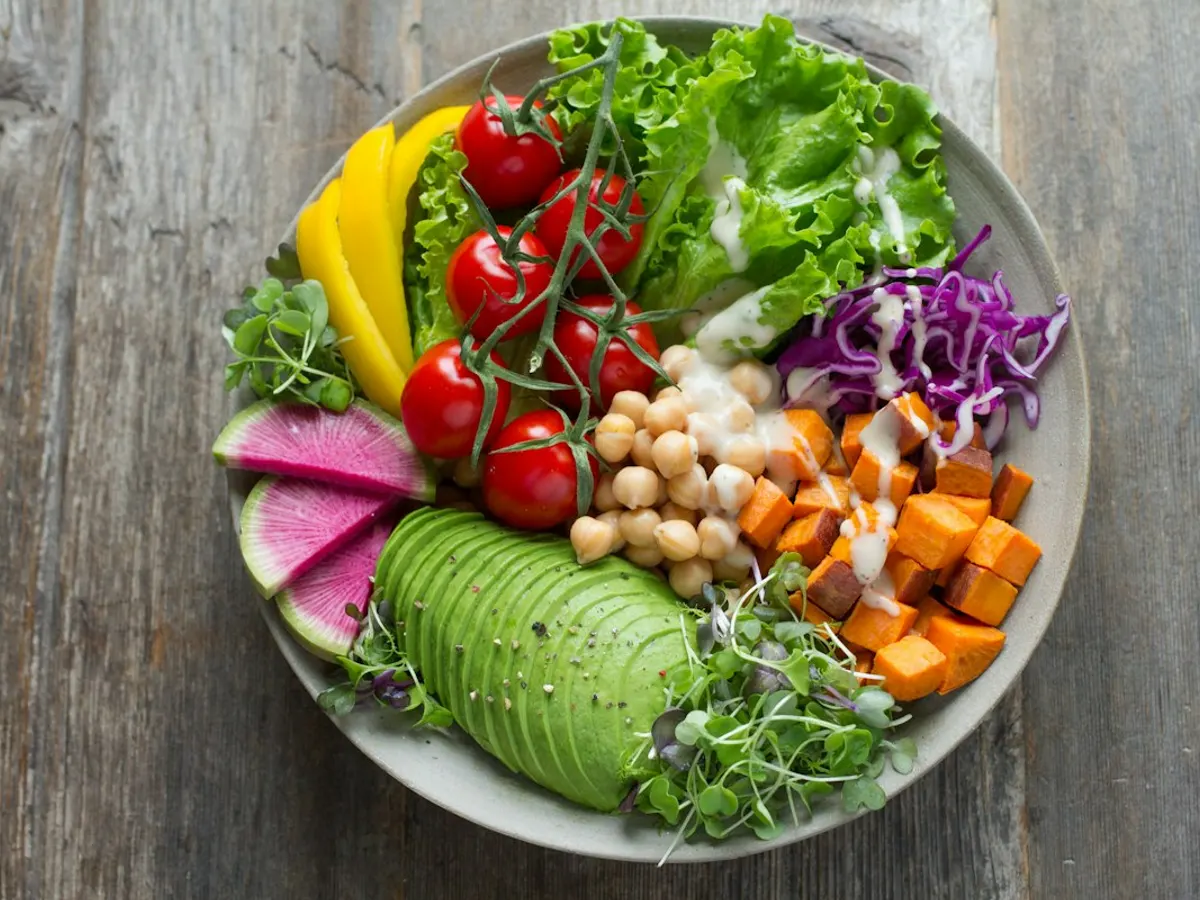
A bowl of vegetables, legumes and cereals: this is how a complete plate is composed.
Photo: Unsplash · Unsplash License
Practice guides
Three guides to deepen conscious eating from home. Each one with theory, practical exercises and María Gemma\'s favourite recipes. Request them on WhatsApp and we will send them to you free of charge.
Introduction to the principles of conscious eating: how to eat with presence, what real satiety is, how to build a healthy relationship with food. 32 pages with practical exercises.
Collection of recipes from the journeys: Morocco, India, Spain. Each recipe with its story, its ingredients and María Gemma's note. Designed to cook with intention.
Introductory guide to Ayurveda: the three doshas, eating according to your constitution, the flavours, food combinations and a simple morning routine to start.
Your next step
Write to María Gemma on WhatsApp for a personalised conscious nutrition guidance session. She will listen to you, guide you and give you the next simplest step.
Personalised session with María Gemma · No commitment · Reply in less than 24 h
The practices, courses and travel guidance we offer are wellness. They do not replace professional medical, psychological or nutritional care, and they do not prevent, treat or rehabilitate any disease. If you have a health condition, talk to your medical team before you start.